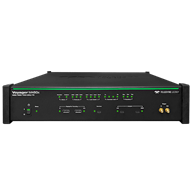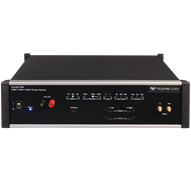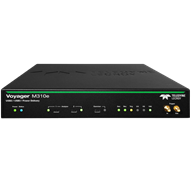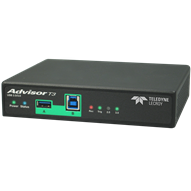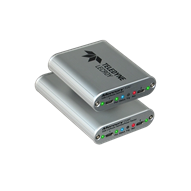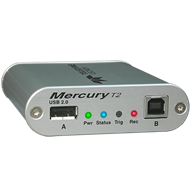
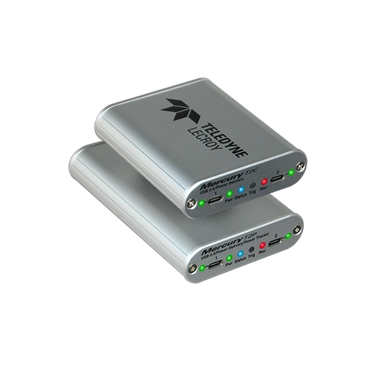
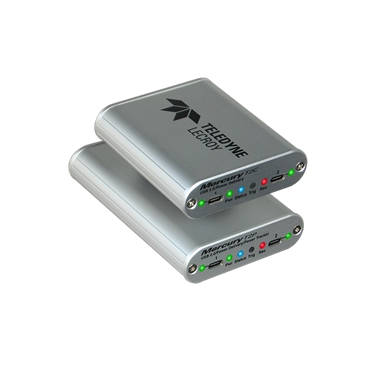
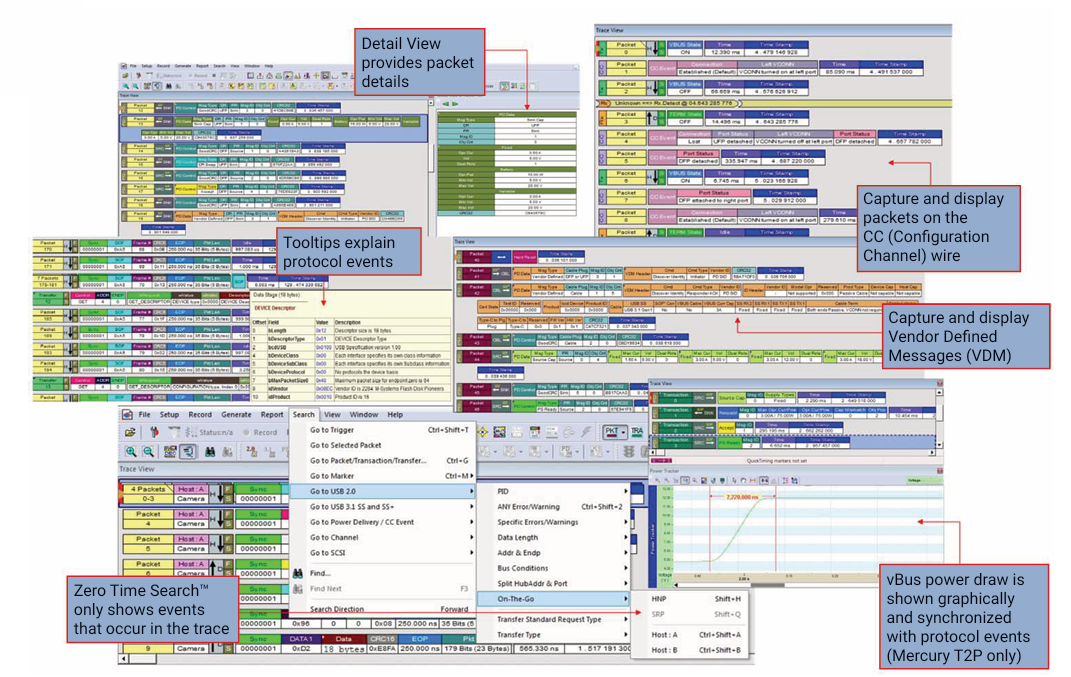
The Mercury T2C & T2P can capture and decode USB Power Delivery 2.0 / 3.0 packets over the Type-C Configuration Channel (CC) in addition to USB 2.0 data packets. Users can view the CC packets including cable detection, power negotiation, UFP and DFP role swaps, entrance to / exit from Alternate Modes and other Type-C Power Delivery behaviors. All the Mercury models include adapter cables allowing easy attachment to legacy USB hosts and devices. Leveraging Teledyne LeCroy’s expertise in USB, the Mercury solutions put the industry’s leading test tool within every engineers budget.
Supports USB Power Delivery 2.0 & 3.0 – Captures and decodes all Configuration Channel (CC) events
CATC Trace Analysis Software - Faster interpretation and debug of USB traffic
Portable and Convenient - Bus Powered analyzer works with any Windows-based PC
AutoDetect USB 2.0 Speeds - Automatically detects low, full, and high-speed connections
Power Tracker™ - Graphical view of VBUS and CC voltages synchronized to PD protocol messages
Up to 512 MByte Recording Capacity – Extend capture windows further with real-time filtering and data truncation
Spool-to-Disk Mode - Record for hours or even days with spool-to-disk capture
Non-intrusive High Impedance Probe - Preserves real-world signal and timing conditions for devices-under-test
Advanced Triggering - Isolates important traffic, specific errors or data patterns
Extensive Decodes - Mass Storage, Bluetooth HCI, Hub, PTP/Still Image, Printer, Human Interface Devices (HID), Audio
and Communication Device Class (CDC)
Hardware Filtering - Automatically exclude non-essential and redundant packets from the trace
Intelligent Reporting - Quickly identify and track error rates, abnormal bus or timing conditions
Sophisticated Viewing – Provides complete Packet, Transaction and Transfer layer views of USB 2.0 and PD protocol
The Mercury T2C & T2P can capture and decode USB Power Delivery 2.0 / 3.0 packets over the Type-C Configuration Channel (CC) in addition to USB 2.0 data packets. Users can view the CC packets including cable detection, power negotiation, UFP and DFP role swaps, entrance to / exit from Alternate Modes and other Type-C Power Delivery behaviors. All the Mercury models include adapter cables allowing easy attachment to legacy USB hosts and devices. Leveraging Teledyne LeCroy’s expertise in USB, the Mercury solutions put the industry’s leading test tool within every engineers budget.
• Supports USB Power Delivery 2.0 & 3.0 – Captures and decodes all Configuration Channel (CC) events
• CATC Trace Analysis Software - Faster interpretation and debug of USB traffic
• Portable and Convenient - Bus Powered analyzer works with any Windows-based PC
• AutoDetect USB 2.0 Speeds - Automatically detects low, full, and high-speed connections
• Power Tracker™ - Graphical view of VBUS and CC voltages synchronized to PD protocol messages
• Up to 512 MByte Recording Capacity – Extend capture windows further with real-time filtering and data truncation
• Spool-to-Disk Mode - Record for hours or even days with spool-to-disk capture
• Non-intrusive High Impedance Probe - Preserves real-world signal and timing conditions for devices-under-test
• Advanced Triggering - Isolates important traffic, specific errors or data patterns
• Extensive Decodes - Mass Storage, Bluetooth HCI, Hub, PTP/Still Image, Printer, Human Interface Devices (HID), Audio and Communication Device Class (CDC)
• Hardware Filtering - Automatically exclude non-essential and redundant packets from the trace
• Intelligent Reporting - Quickly identify and track error rates, abnormal bus or timing conditions
• Sophisticated Viewing – Provides complete Packet, Transaction and Transfer layer views of USB 2.0 and PD protocol
Comprehensive USB Device class decoding is included with the Mercury T2C & T2P:
Complete list of USB Decodes
• Audio
* Audio 1.0
* Audio 2.0
• CDC (Communications Device Class)
* Direct Line Control Model
* Abstract Control Model
* Telephone Control Model
* Multi-Channel Control Model
* CAPI Control Model
* Ethernet Networking Control Model (EEM)
* Network Control Model (NCM)
* ATM Networking Control Model
* Wireless Handset Control Model
* Device Management Model
* Mobile Direct Line Model
* Mobile Broadband Interface Module (MBIM)
* OBEX Model
* CDC Data
* WMC
• Content Security
• HID (Human Interface Device)
* Monitor (HID extension)
* Physical Interface
* Power (HID extension)
* HUT (HID)
* Point of sale Devices (HID extension)
• Hub Class USB 2.0
• Hub Class USB 3.0
• HCI Command
• Generic Printer Class
• Internet Protocol
* IP_ET0800
* IPv6
• Isochronous
• Pict Bridge
• Mass Storage
* SCSI/Bulk
* UFI/CBI
* ATAPI
* RBC
* USB Attached SCSI (UAS)
• Smart Card
* CCID
* ICCD
• Still Imaging Class
* PTP
* MTP Class Decoding Extension
• Video Class
* USB Video 1.5 (UVC)
* USB Video 1.1
* SC_VIDEOCONTROL
* SC_VIDEOSTREAMING
* SC_VIDEO_INTERFACE_COLLECTION
• Virtual UART
• Wireless Controller
* BT HCI & HCI SCO
* UWB
• Miscellaneous Classes
* Host Wire Adapter
* Cable Based Association Framework (CBAF)
* Device Wire Adapter
* Interface Association Descriptor
* IrDA Bridge
* Personal Healthcare (PHDC)
• Remote NDIS
• Printer
• Test & Measurement
* 00 - USB Test and Measurement Device
* 01 - USB Test and Measurement Device conforming to the USBTMC USB488
• USB3 Vision
* USB Vision Event
* USB Vision Stream
This allows users to see upper-level mapped protocol events within the trace eliminating the tedious process of manually decoding device specific commands. From Mass Storage to Communication Device Class (CDC), the Mercury T2C & T2P provide the most complete decoding of USB device transactions.
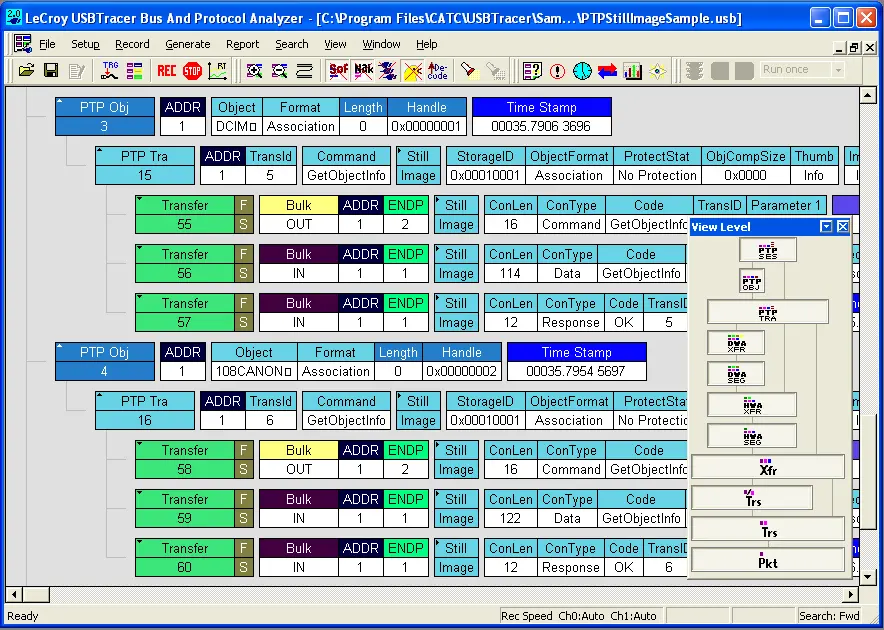
The Mercury solutions lead the industry in affordability offering comprehensive USB 2.0 test and analysis features. Starting at $995, the Mercury can be used virtually anywhere, extending beyond the lab environment over to the personal workstations of USB developers. Every engineer within a design team (hardware, software, and firmware) will appreciate the benefit of having a personal analyzer to fit their individual needs.
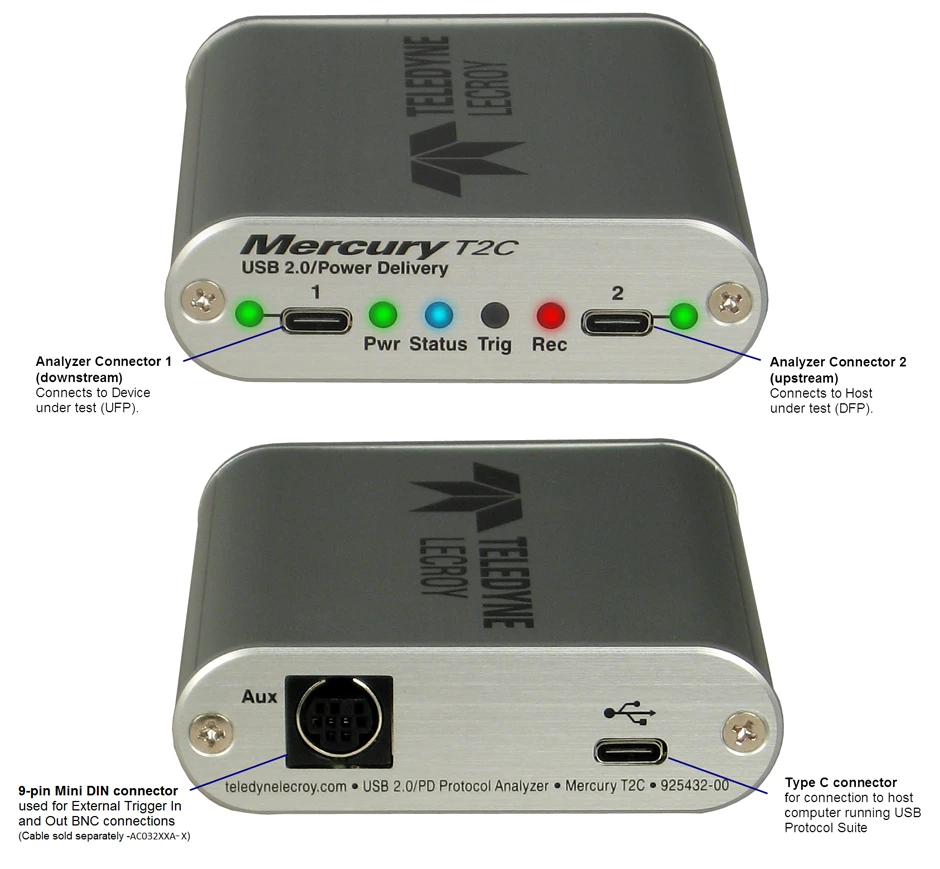
Featuring the industry-leading CATC Trace expert analysis software, the Mercury T2C & T2P provide an easy-to-use display that graphically decodes logical protocol events. All models of the Mercury include the same comprehensive decoding of the higher layer protocols which can be expanded to show the underlying transactions and packets.
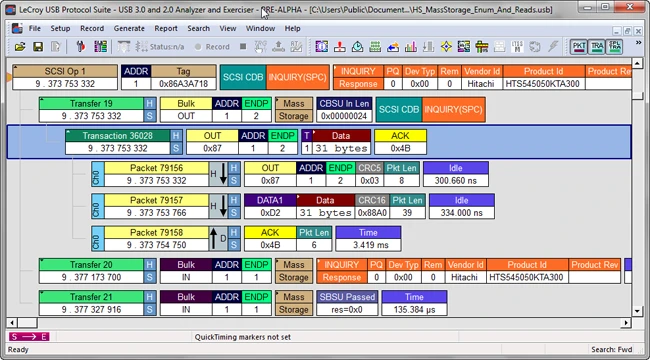
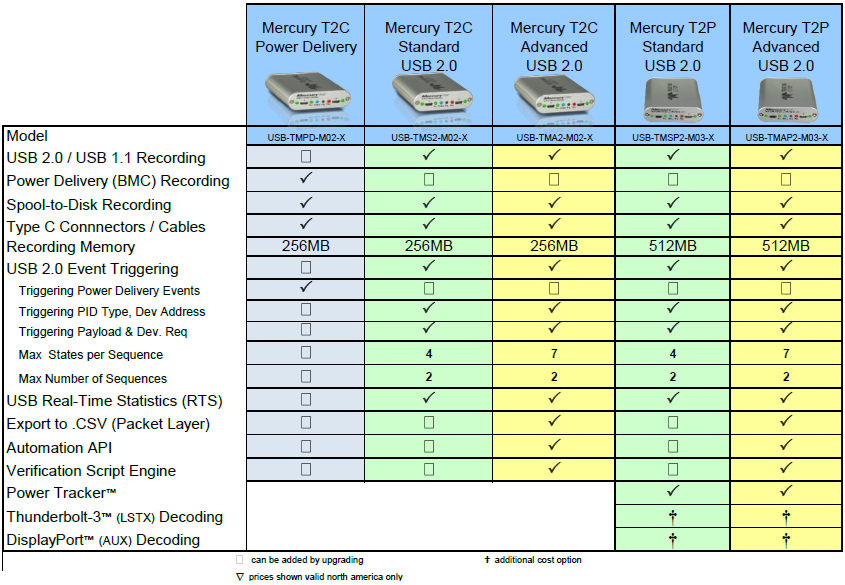
Completely passive in design, the Mercury preserves real-world signaling and provides 100% faithful representation of traffic on the bus. Featuring a high-impedance, non-intrusive probe, the Mercury acts strictly as a "sniffer" and does not re-time the signal or significantly degrade the amplitude between the host and device. The Mercury T2C offers 256MB; while the Mercury T2P doubles the recording capacity to 512MB. Both systems can extend capacity with filtering, data truncation, and spool-to-disk capture for longer recording times. Fully compatible with USB Type-C standard, all Mercury models will ‘pass through’ SuperSpeed or Alternate-mode signaling without affecting their operation.
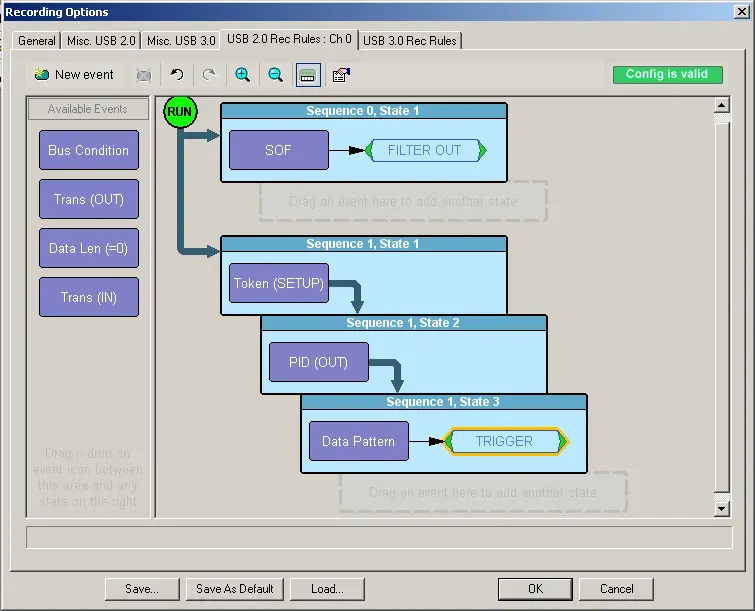
Isolating specific protocol events with real time triggering is essential to capture intermittent problems. Both the Mercury T2C & T2P provide sophisticated triggering with drag-and-drop selections for PID type, data patterns, standard requests, errors, and bus events. The Mercury provides 14 protocol error triggers with auto-detection of several additional post-capture errors. The ability to trigger & pinpoint specific bus conditions as they occur saves time during testing and debug.
The Power Tracker option monitors Vbus power draw and displays voltage graphically in a time line format. This power information is synchronized to the trace allowing users to verify power state transitions at the both the protocol and electrical layers. Completely transparent to the system-under-test, the Power Tracker samples VBUS and CC voltage during normal operations. It correlates these physical layer measurements with logical protocol layer events.
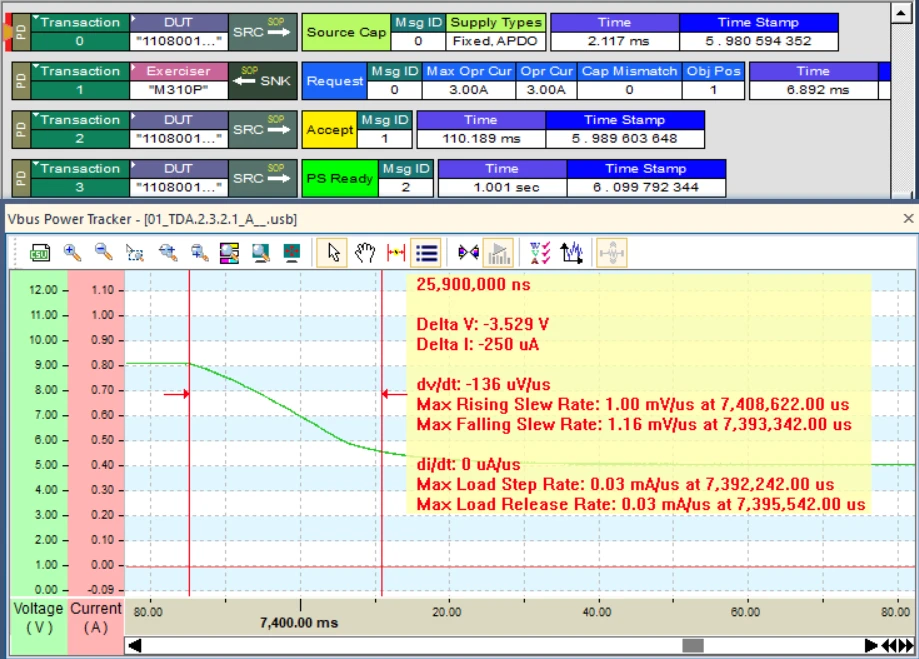
The CATC trace software includes a persistent timing display that provides one-click measurements between events. The bandwidth calculator provides full bus utilization metrics for any range of packets.
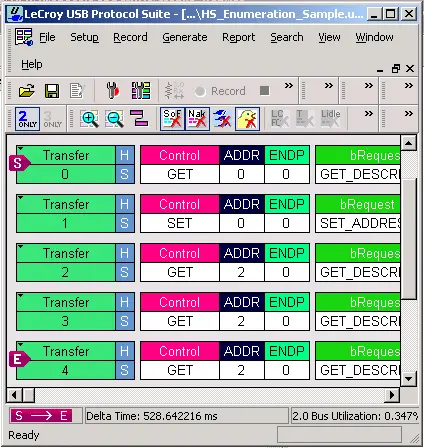
Teledyne LeCroy's USB software provides many mechanisms to measure and report on USB traffic. The Bus Utilization graphs packet length, bus usage by device and SCSI pending I/Os. Using the Traffic Summary window, users can evaluate statistical reports at a glance or navigate to individual packets, transactions or transfers.
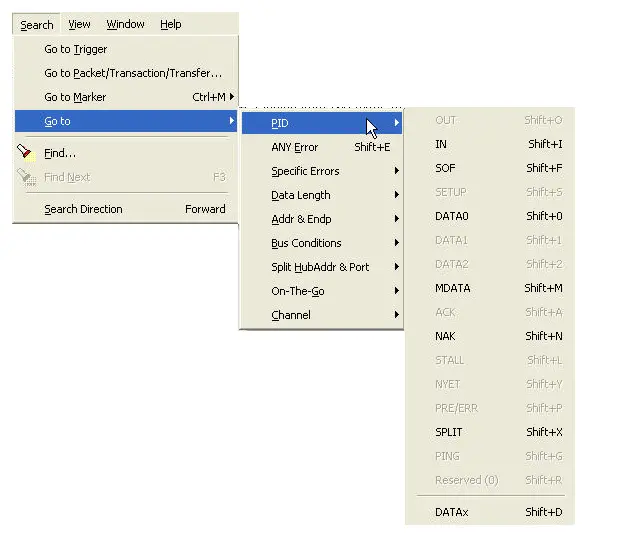
Powerful search and reporting options allow users to quickly navigate to specific packets, errors and any data type within a trace file. The CATC Trace also supports filter and hide commands, to remove irrelevant data from the Trace for efficient viewing.
The Mercury T2P is also available with “SBU Capture” options allowing users to see DisplayPort Aux channel messages (USB-MCDP-M03-X) or Thunderbolt-3 low-speed communications (USB-MCTB-M03-X). Fully compatible with alt-mode devices that support DisplayPort 1.4, the DP capture mode decodes the essential back-channel communication for Type-C connections that utilize DP alt-mode. For Thunderbolt-3 developers, the Mercury T2P SBU capture option for Thunderbolt-3 decodes the essential link discovery, transmitter training and configuration phases which are transmitted over the low-speed (UART) back channel.
Host Requirements 64-bit (x64) versions of Microsoft® Windows 11, Windows 10, Windows Server 2016, and Windows Server 2019
Standard Trigger Events Packet Identifier, Token Pattern, Frame Pattern, Device Request, Data Pattern, Bus Conditions, Errors, Transactions, Data Length, Splits, PD Messages, Type-C logical states
Reporting & Statistics Packet Level, Transaction Level, Transfer Level, Error Reports
Recording Memory Size Mercury T2C: 256 MB
Mercury T2P: 512 MB
Power Consumption Idle: 460 mA (typical); Active: 500 mA (typical) (Note: assumes Vconn current required is < 50 uA)
Connectors USB Type-C
Temperature Operating: 0°C to 55°C (32°F to 131°F)
Non-Operating: -20°C to 80°C (-4°F to 176°F)
Humidity Operating: 10% to 90% non condensing
Dimensions Mercury T2C: 80 x 90 x 24 mm (3.0” x 3.6” x 1”)
Mercury T2P: 80 x 123 x 24 mm (3.0” x 4.8” x 1”) Net
Weight Mercury T2C: 158g (5.8 oz)
Mercury T2P: 220g (7.7 oz)

Current Products:USB Protocol Analyzer Mercury T2C / T2P




 Back
Back